About this project:
A project utilizing VRAM took place on Waverly Park Road in Morgan County, Indiana on August 31st and September 1st.
This was a County project.
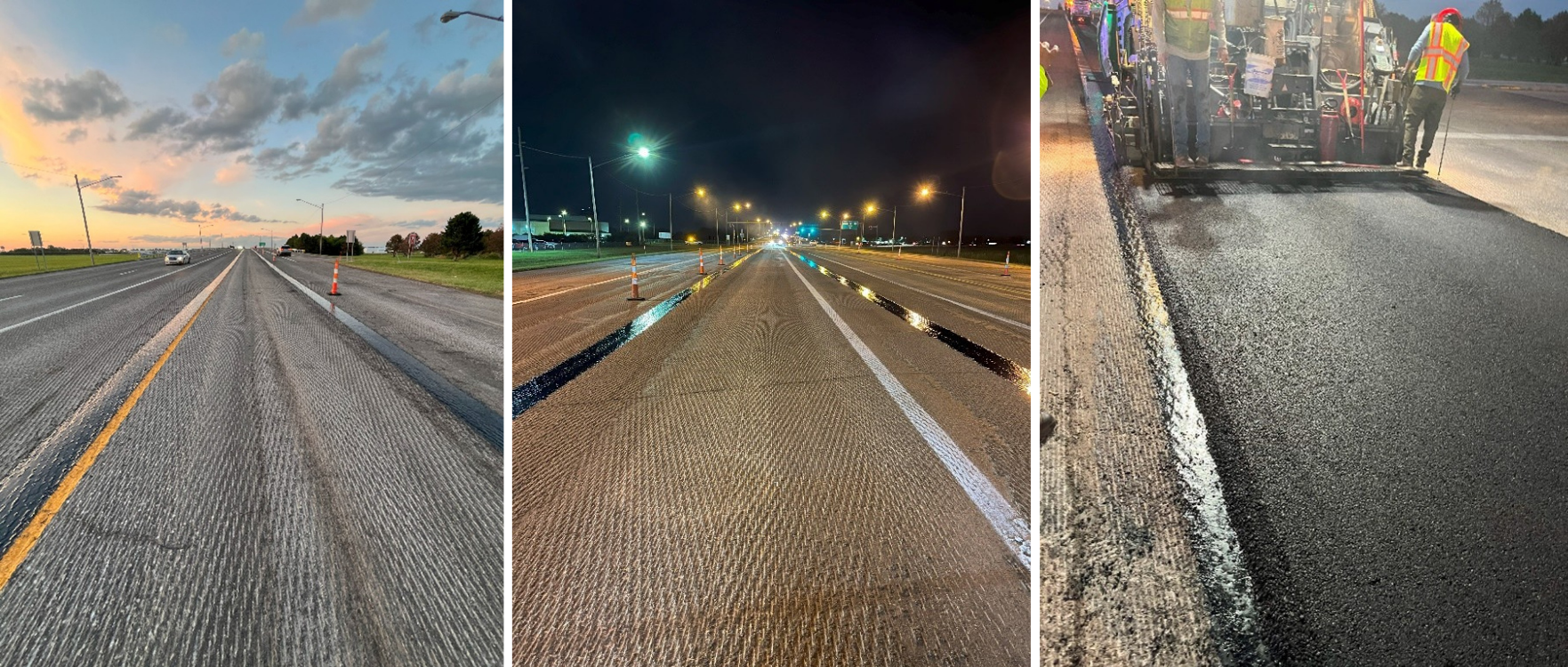
The project covered a 4.3 mile long, heavily traveled, two lane highway. The project started near SR-144 running south. VRAM was designated for application to the centerline joint prior to the final paving.
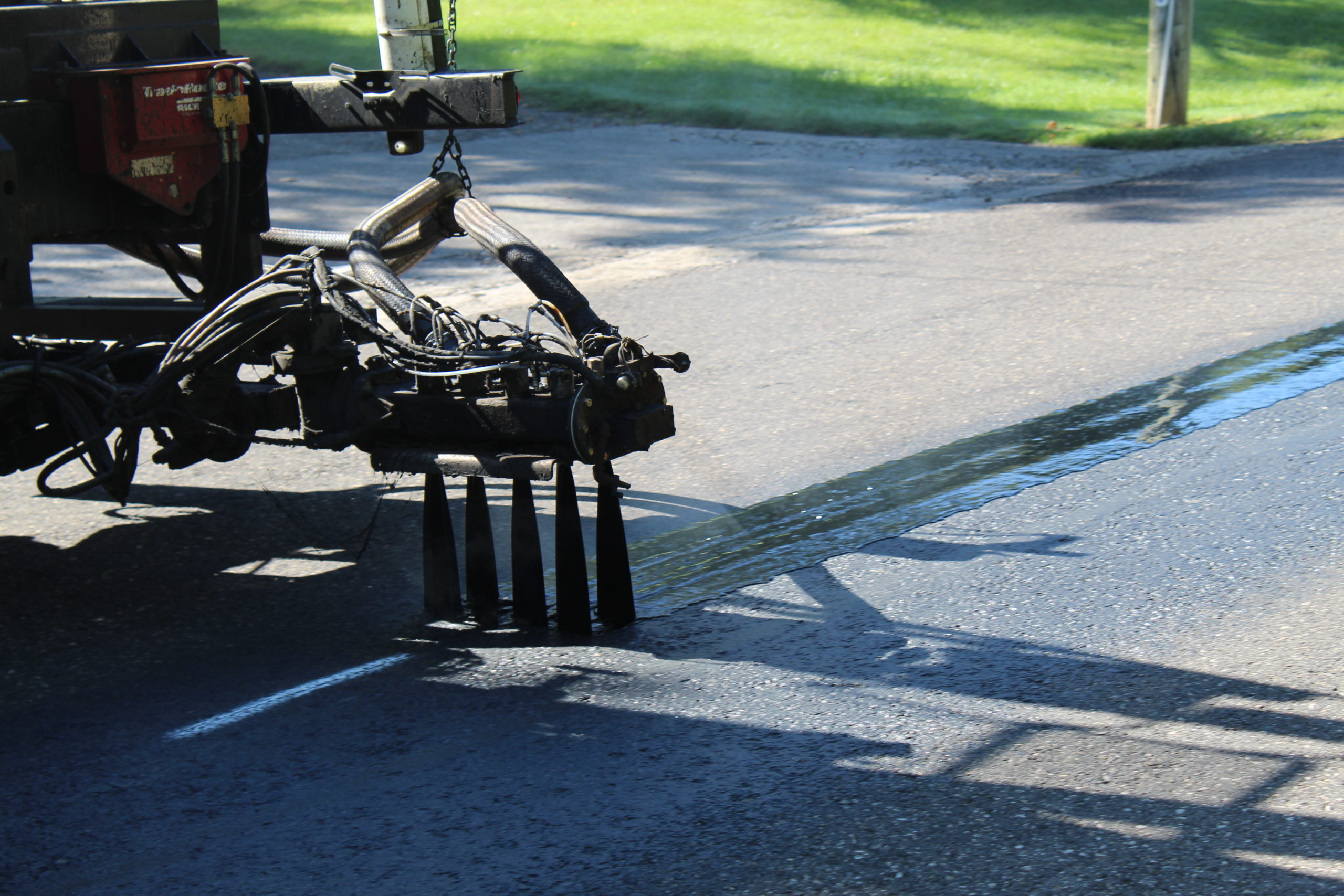
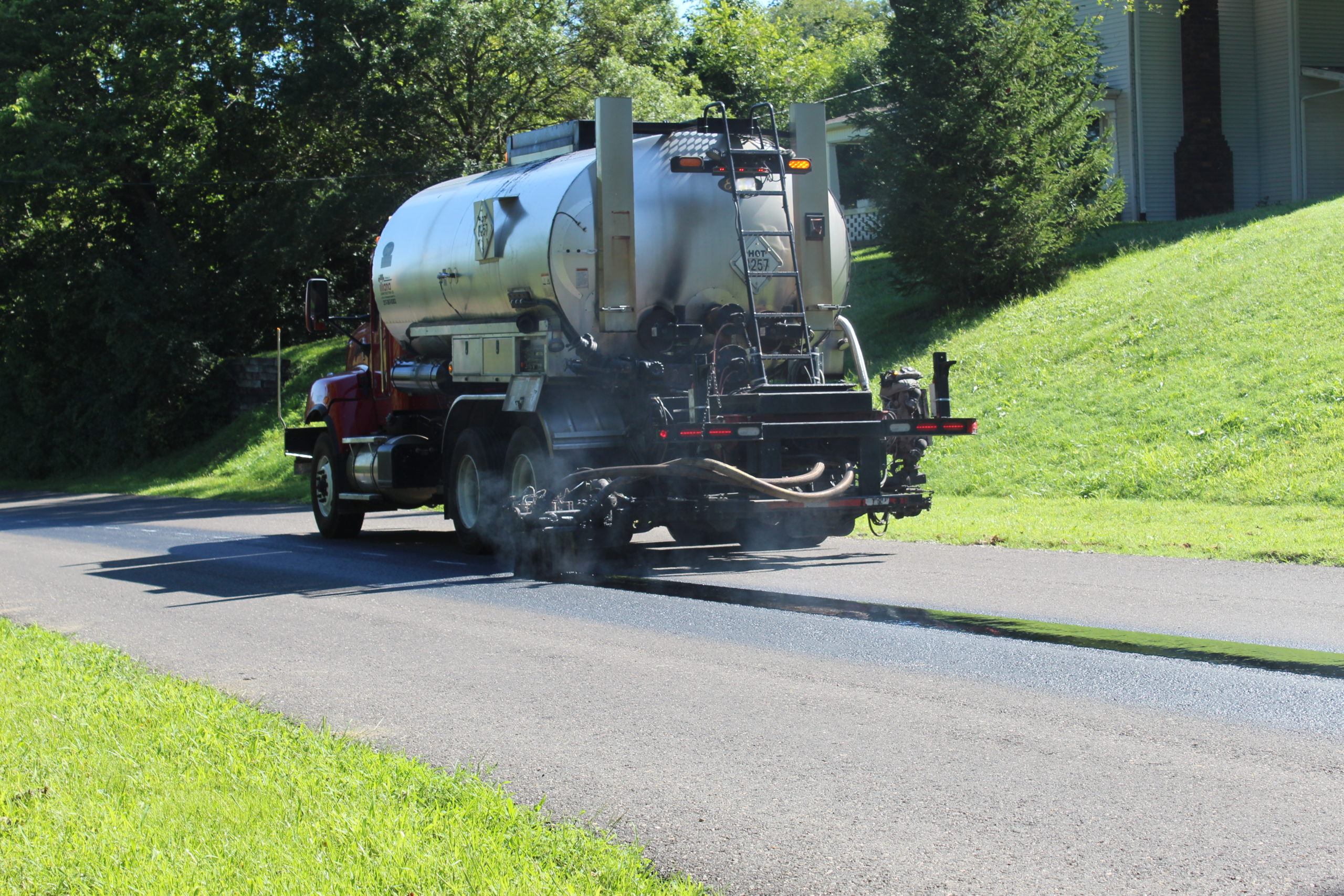
The VRAM applicator for this project was Illiana.
The prime paving contractor for this project was Milestone.
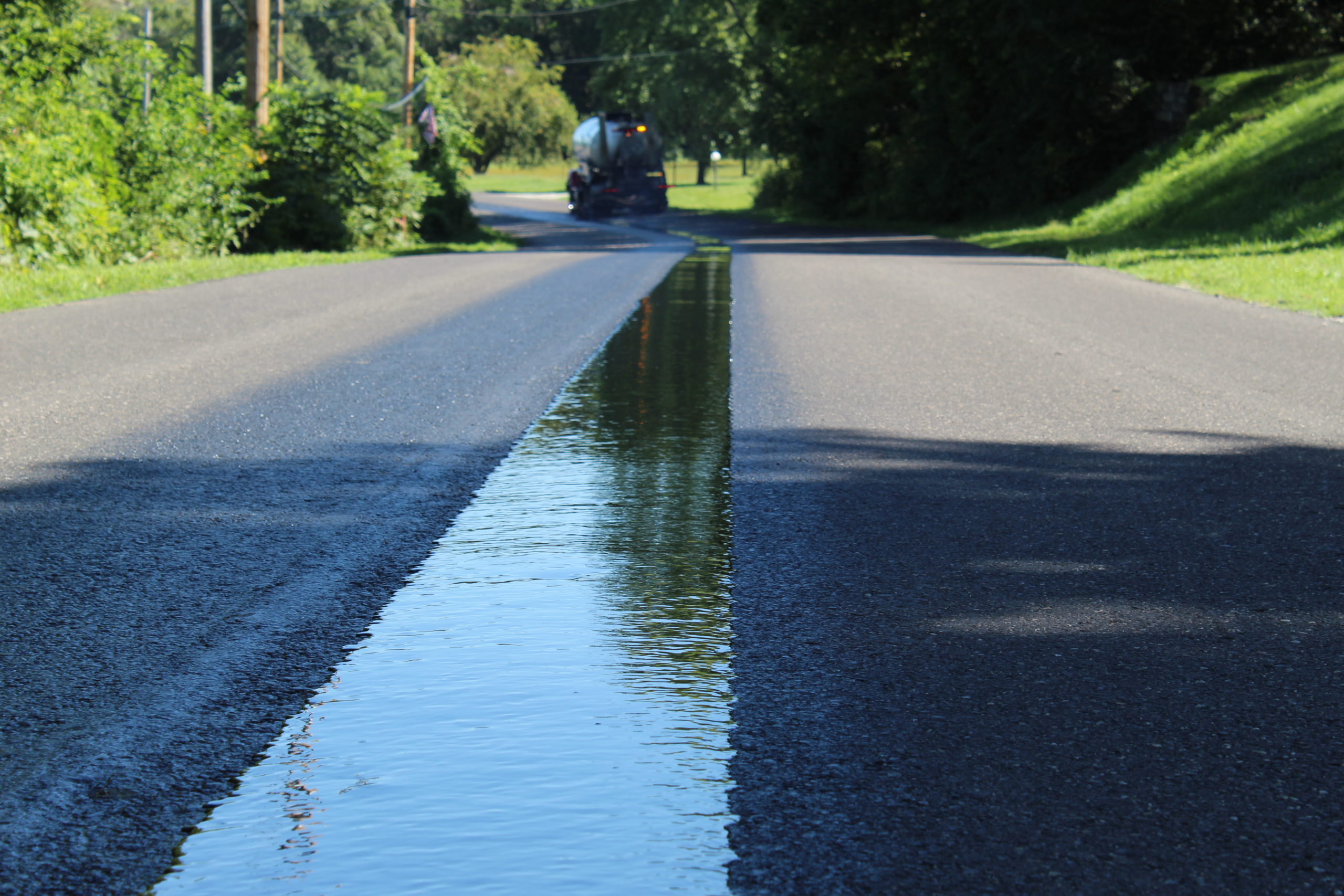
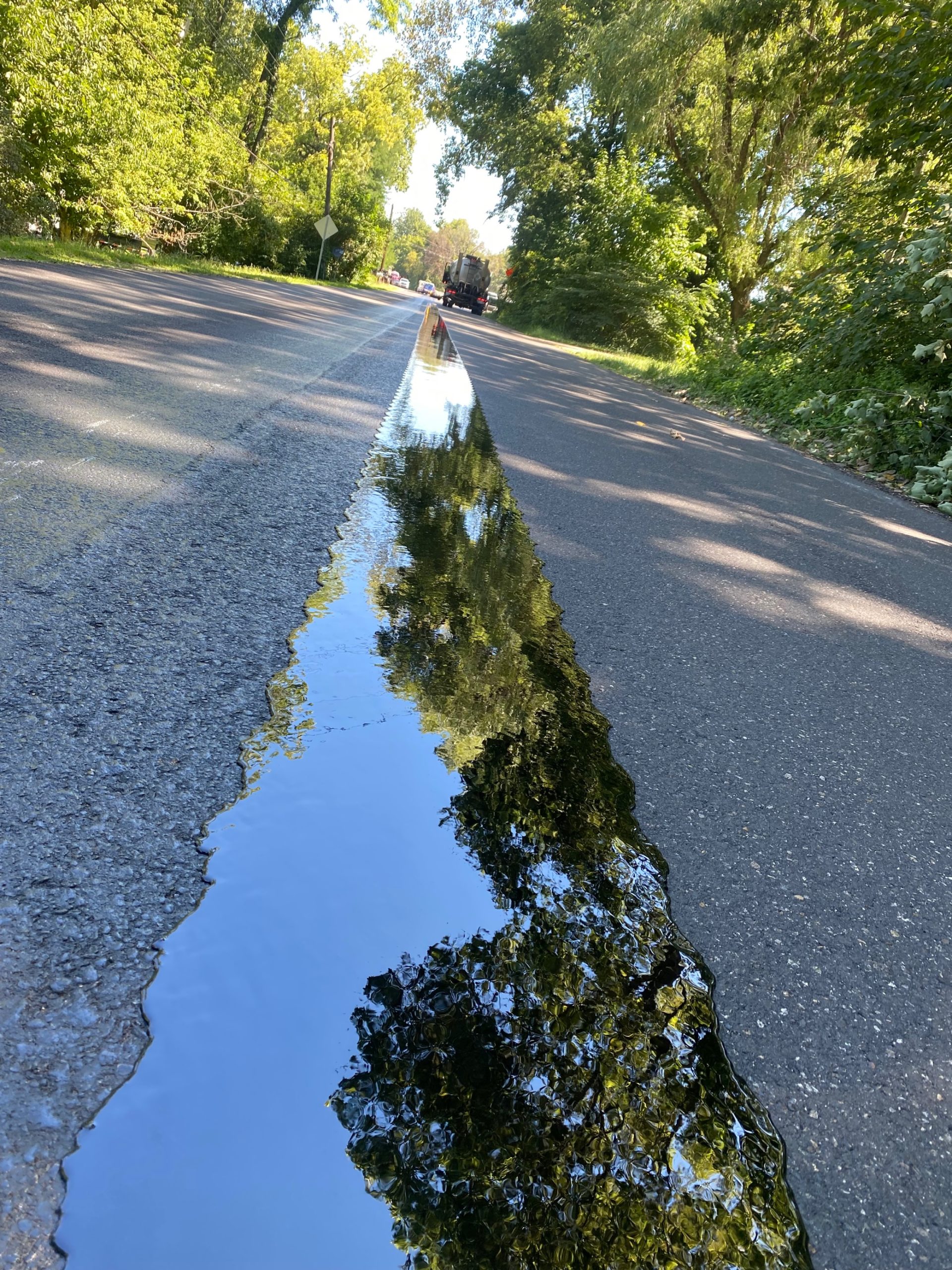
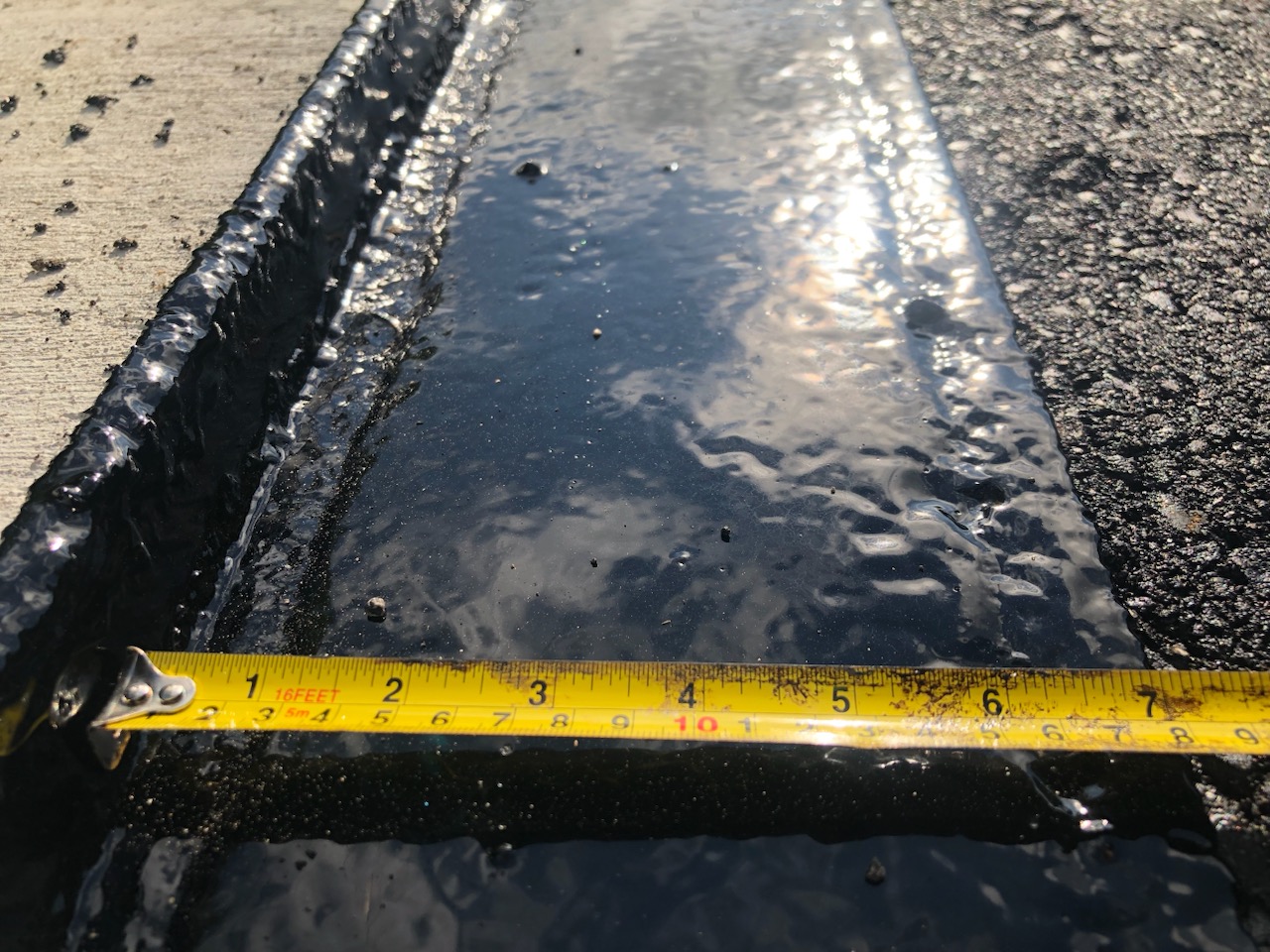
VRAM application to the centerline started about 10 AM in the northbound lane. Milestone had applied a prime coat to the CIR surface on the centerline two days prior to the VRAM application. The band width for VRAM on this project was targeted at 18” wide.
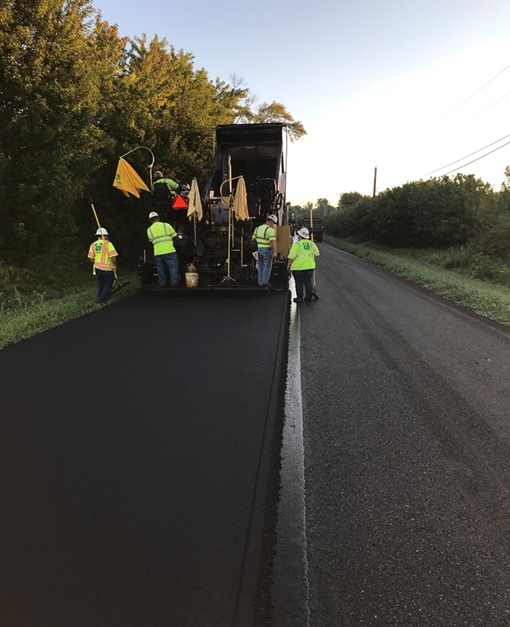
HMA paving took place the following day at approximately 7:15 AM in the southbound lane at Project Station 230+61. The paving train consisted of a Cat AP655 track Paver and a Cat CB54 steel drum roller. All the rolling was completed in static mode.
VRAM – A Materials Approach for Solving Pavements’ Joint Issues
When VRAM is applied at the time of construction, directly under the asphalt surface, it will reduce the permeability in this highly critical area of the road. Once the placement of the hot mix asphalt (HMA) is completed, the heat of the HMA and pressure from the paving rollers will cause the VRAM to migrate upwards and fill air voids. This process will reduce the permeability of the pavement.
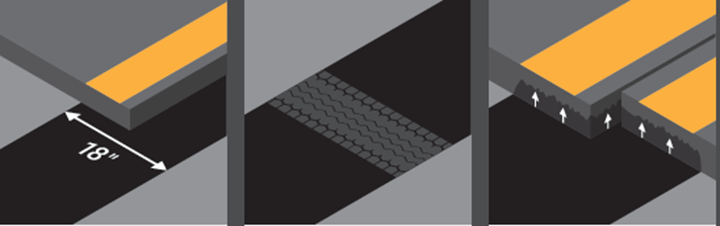
Pictured above: an illustration of the application, non-tracking and migration process of VRAM. This action results in the filling of voids with asphalt material from the bottom-up. It is also important to note that VRAM is non-tracking in less than 30 minutes, based on cooling time as shown in the second box.
J-Band® is a VRAM product of Asphalt Materials, Inc. that was created in the labs of The Heritage Research Group. J-Band® was used for this project in Morgan County.
Editor’s Notes:
Centerline joints and longitudinal joints are often used interchangeably in describing the area of the pavement where two paved sections come together.
VRAM, Void Reducing Asphalt Membrane is referred to in Illinois as LJS, Longitudinal Joint Sealant.
Depending on the situation VRAM can be sprayed at different widths. It should be noted that 18” is a typical application width for centerline applications.
J-Band® is a VRAM product of Asphalt Materials, Inc. that was created in the labs of The Heritage Research Group.
J-Band®, CCAP® and T-Bond® are registered trademarks of Asphalt Materials, Inc.
AMIBIND™, AMIBOND™, AMICYCLE™, AMIGUARD and AMISEAL™ are trademarks of Asphalt Materials, Inc.