Written by Naarah Holloway
Longitudinal joint deterioration has posed a significant issue for engineers, applicators, and for the communities we live in. The longitudinal joint is created when one lane of hot mix asphalt (HMA) is laid adjacent to an existing lane. Differences in the lanes’ temperature and mat plasticity often cause an improper bonding of the fresh HMA with the older asphalt lane, and as a result the longitudinal joint is typically less dense than the rest of the pavement. Over time, a longitudinal crack usually occurs between the asphalt mats, permitting the intrusion of water that can cause issues in the pavement like cracking and separation, moisture infiltration, and potholing.
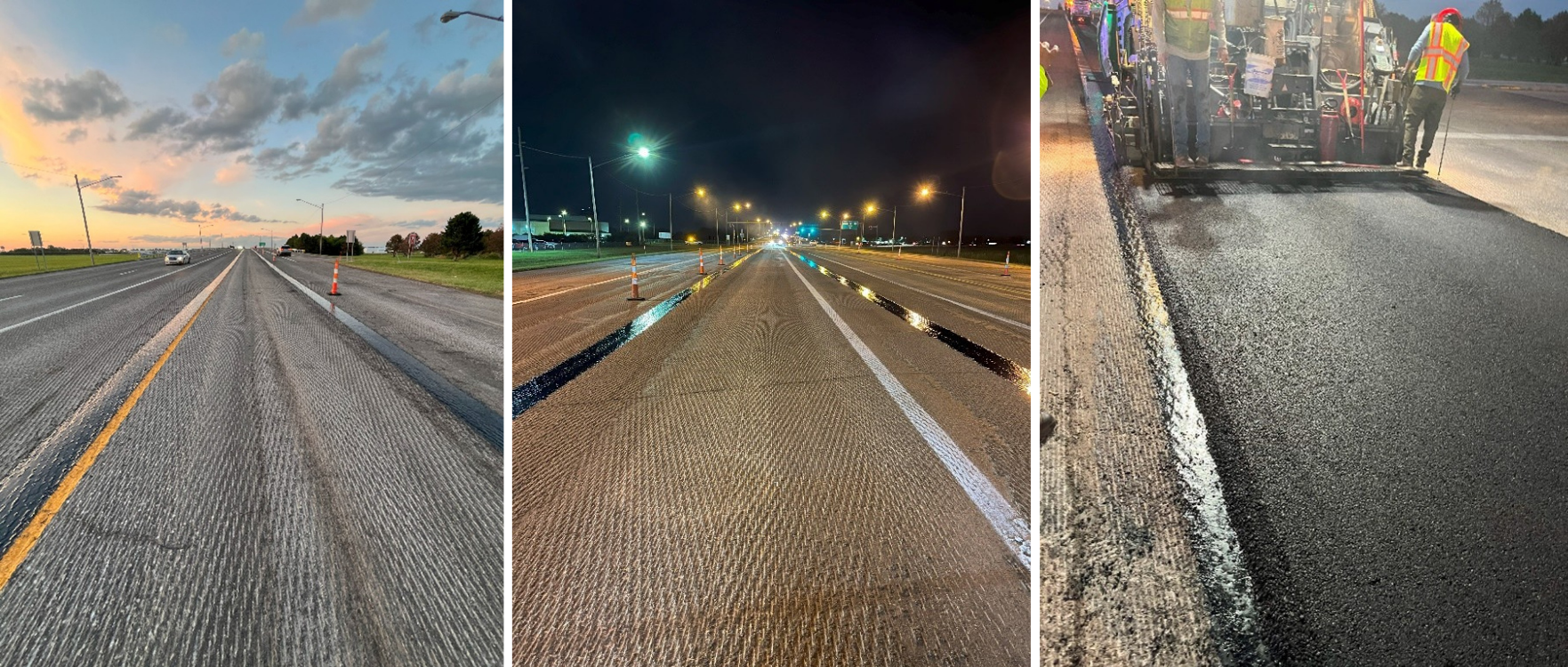
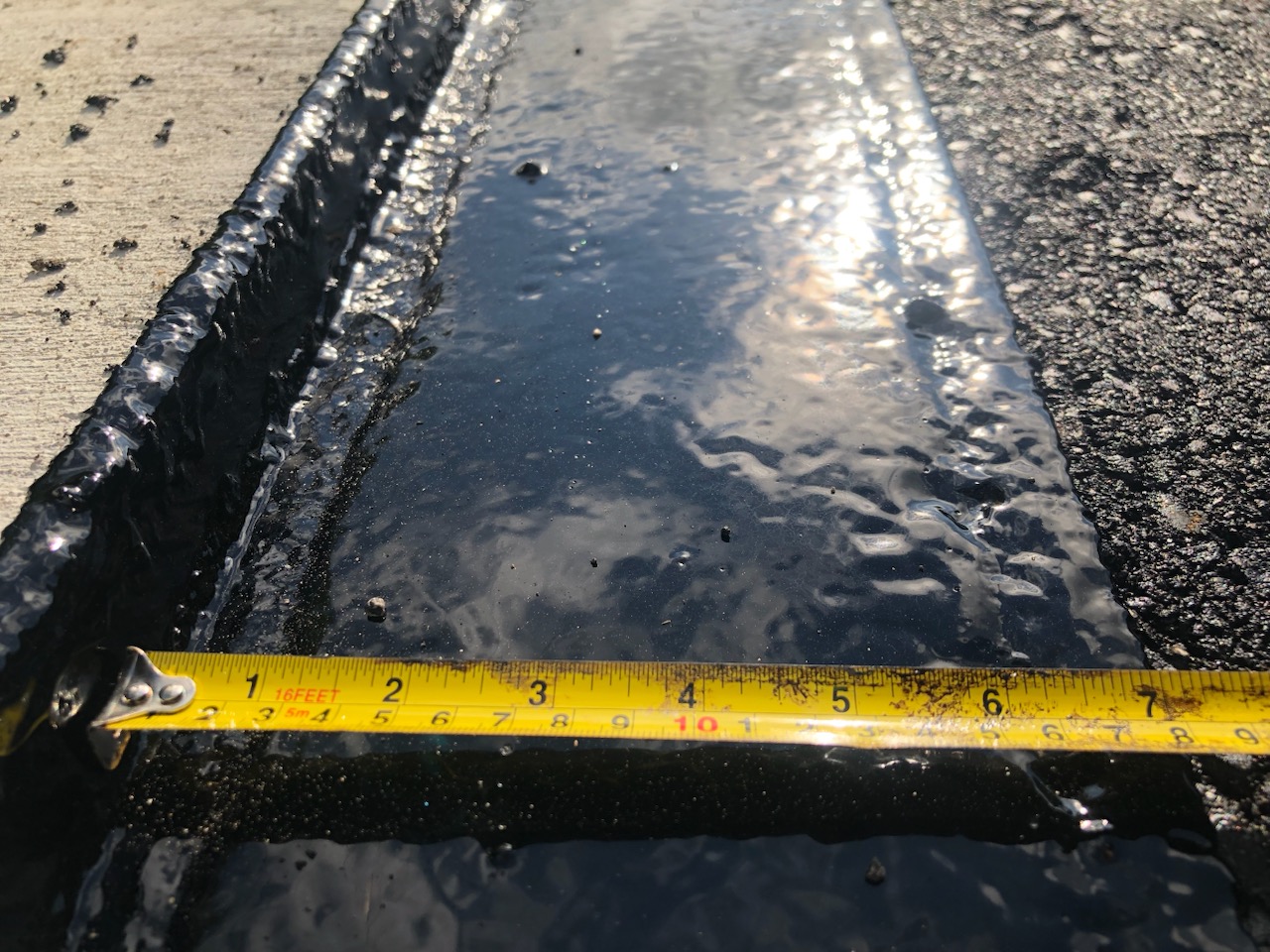
Void Reducing Asphalt Membrane (VRAM) was created to help build longer lasting, safer roads and was developed by state transportation agencies, industry experts, and the laboratories at the Heritage Research Group. VRAM is a materials focused solution that effectively minimizes air voids within longitudinal joints. HMA is placed over VRAM, which causes the VRAM to migrate upwards, filling air voids and decreasing permeability.
Hillsdale County, Michigan: J-Band Application
Project Details
- Owner: Hillsdale County
- Applicator: Gerken
- Prime Paving Contractor: Gerken
- Location: Camden Road
- State: Michigan
- County: Hillsdale
- Date Constructed: August 9, 2023
VRAM Observation
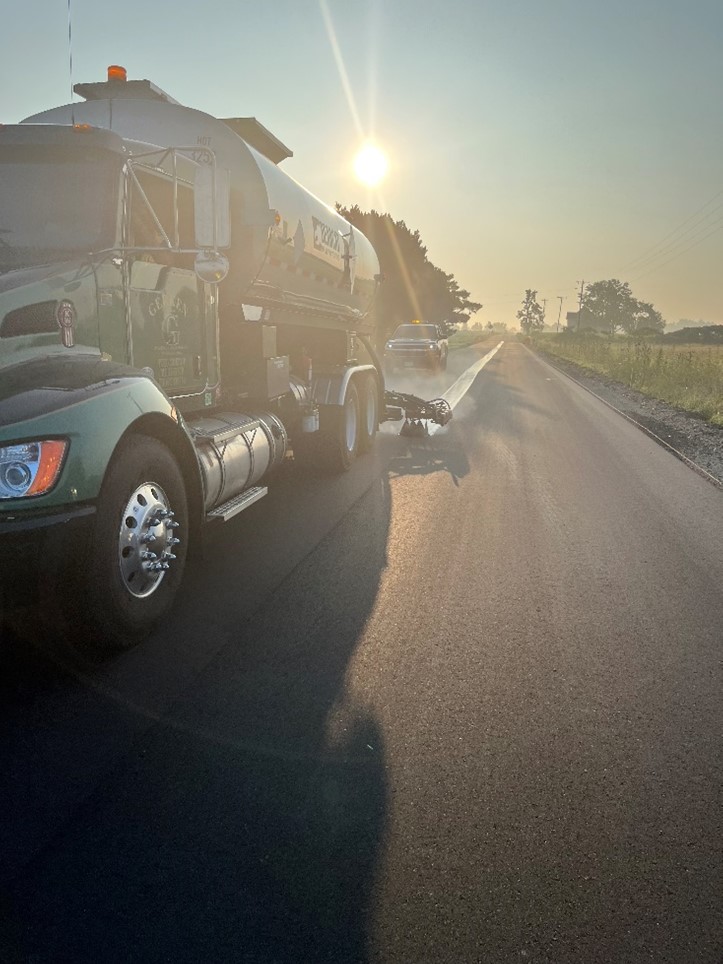
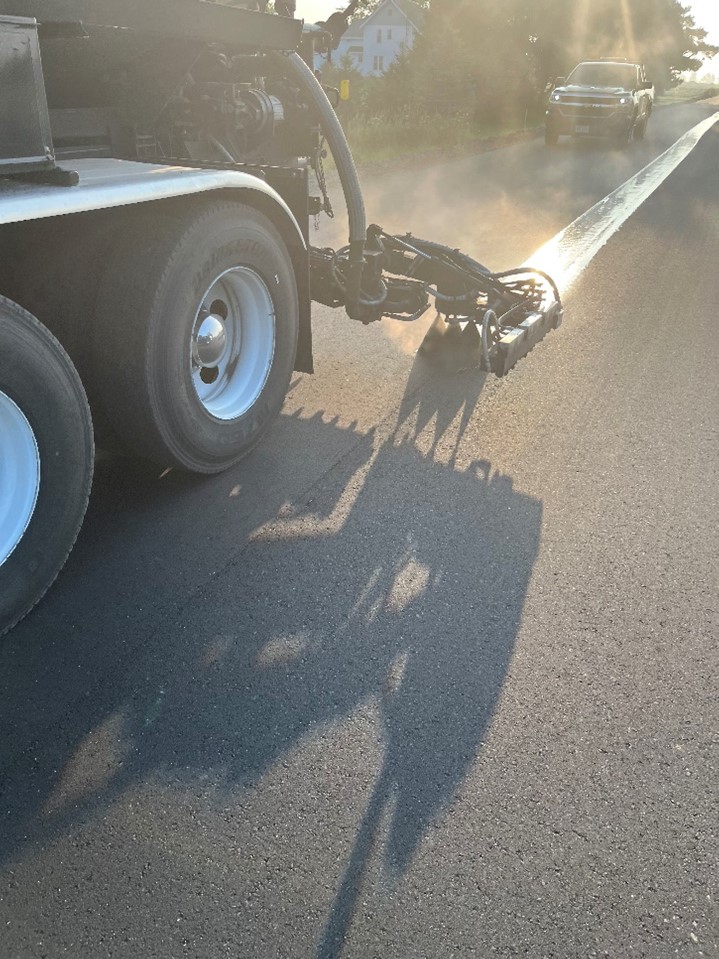
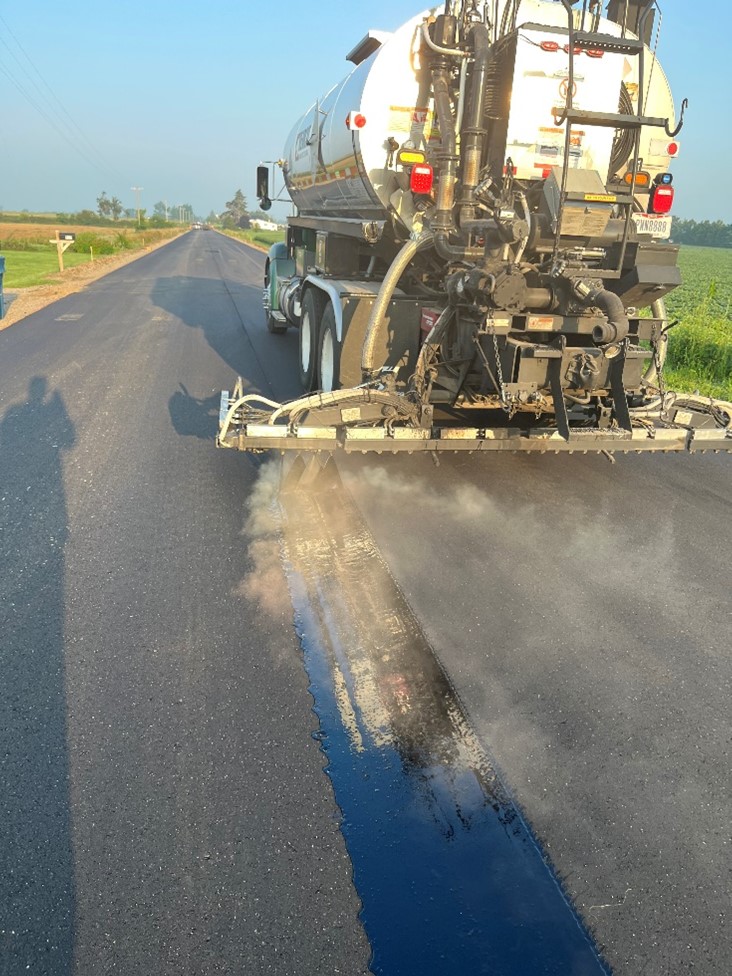
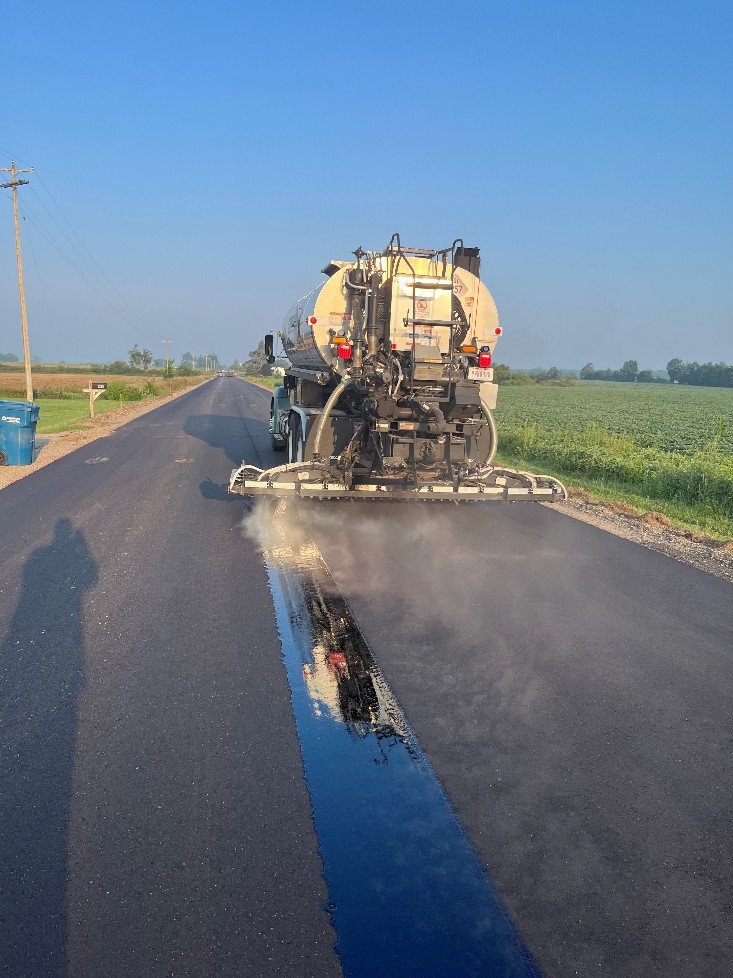
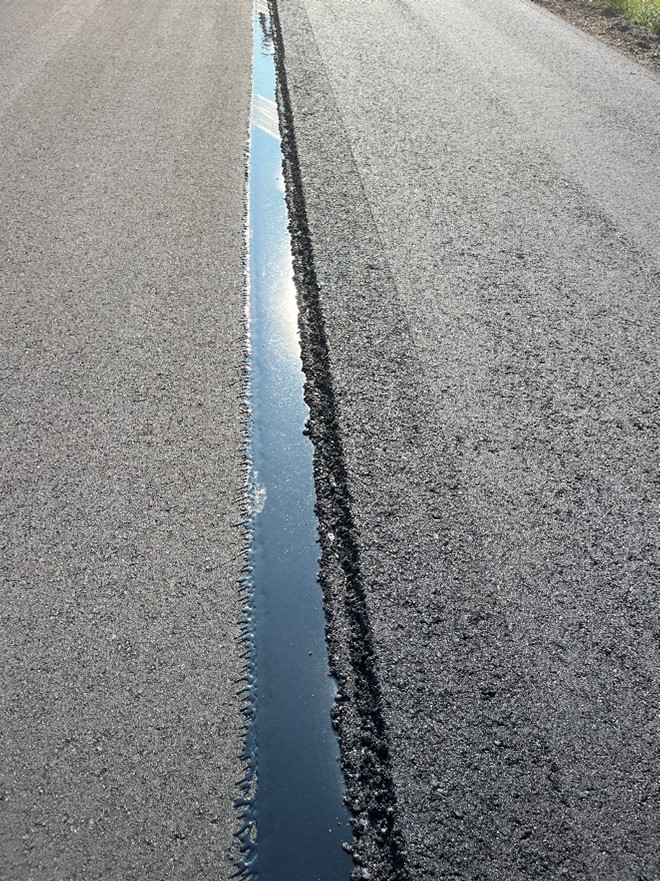
The personnel present on this project included two Gerken personnel and Asphalt Material’s Field Support Engineer Chad Crosby. This project took place on 0.70 miles of Camden Road between Lickely Road and Pittsford Road. The VRAM application started at 7:45 a.m. at the centerline joint. The ambient temperature recorded at the start was 63°F. The binder surface temperature was 76°F and material on board was 340°F.
Paving Observations
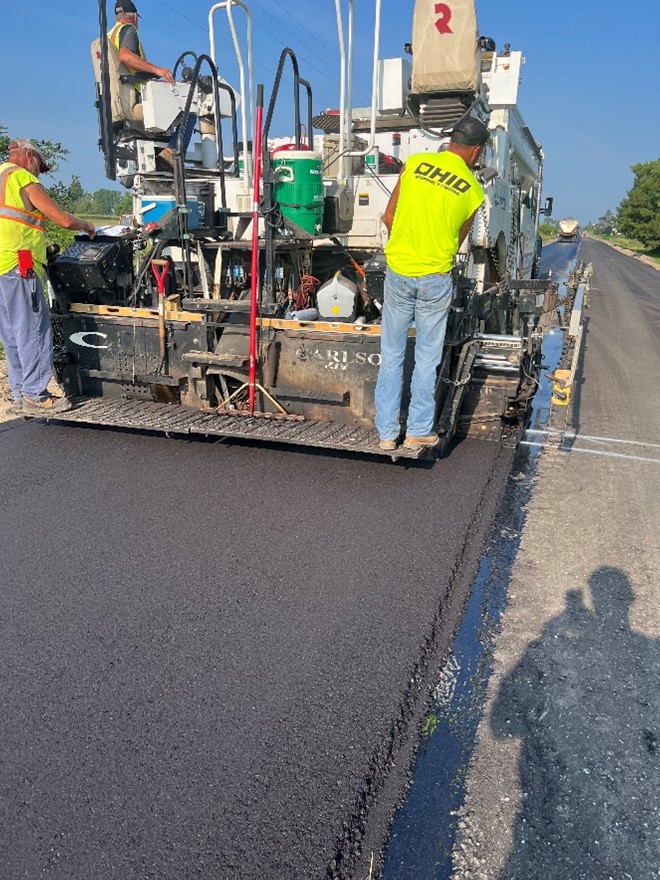
Following VRAM application, paving began in the westbound lane against traffic. The ambient temperature at the start was 70°F. Mix temperature and migration was recorded throughout the day with an average of 286°F with 1/2” migration. The rolling pattern consisted of a breakdown roller and finish roller. The breakdown roller worked from high to low with five passes, four of those passes were conducted in vibration mode, while the pass at the joint was done in static. The finish roller followed the same pattern as the breakdown roller.
Conclusion
Overall, the VRAM application that occurred on Camden Road proved to be highly successful. The total gallons used for the day were 379 gallons (3,240 lbs) and VRAM was applied over 3,643 feet for average of 0.89 lb/ft.
By utilizing a VRAM solution such as AMI’s J-Band®, you can effectively safeguard the critical and costly segment of the road. Since 2002, J-Band® has been instrumental in decreasing air voids and linking voids within longitudinal joints in more than 24 different states and the District of Columbia (DC).
You can explore our interactive map to see more projects that have utilized VRAM at the time of construction and learn more about how longer-lasting roads save money, time, lives here.
Editor’s Notes:
J-Band®, CCAP® and T-Bond® are registered trademarks of Asphalt Materials, Inc. AMIBIND™, AMIBOND™, AMICYCLE™, AMIGUARD™ and AMISEAL™ are trademarks of Asphalt Materials, Inc.
J-Band® was created in the labs of the Heritage Research Group (HRG) and is a product of Asphalt Materials, Inc. (AMI). To learn more about J-Band, visit www.thejointsolution.com