VRAM 2021. An Update of Past Projects.
The year 2021 was another important year for VRAM, as several states were added to the list of those with VRAM experience. It is now 21 states and The District of Columbia.
The year 2021 was also important from the perspective of how well roads constructed with VRAM continue to perform. Since 2002 VRAM treated roads continue to be longer-lasting, safer and more economical that roads that are not utilizing VRAM at the time of construction.
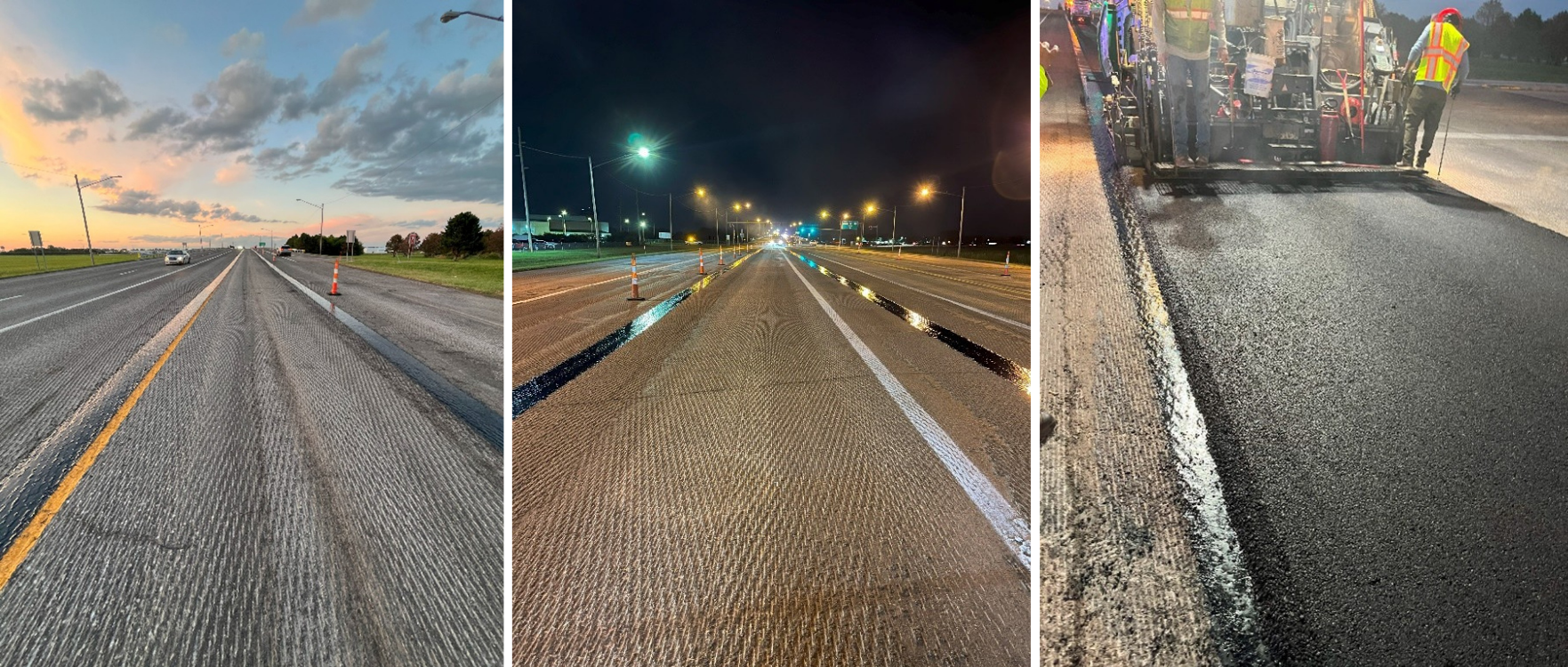
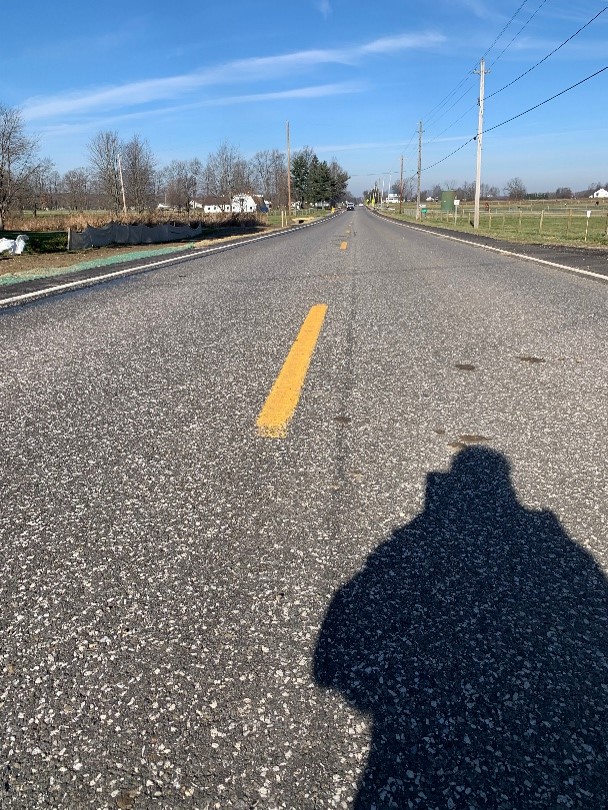
Over the coming weeks, we will review a number of different case studies of VRAM treated roads across our network. This particular project review near Burton, Ohio was completed in mid-December 2021.
Owner: ODOT
Applicator: SCI
Prime: Ronyak Paving INC
Project: SR-168
Location: Burton, OH in Geauga Co
Date Constructed: June 1, 2017
Date Reviewed: 12-14-2021
Weather Conditions During Day of Review: Sunny 46°F
During this project review from mid-December, 2021, Chad Crosby of Asphalt Materials notes there is a Control Section on the project that did not use VRAM at the time of construction. Chad notes, “the southern portion of project has 100% cracking with the cracks being from 1/2” to 5/8” in width.
Has the project received any maintenance work including crack sealing or patching? Mr. Crosby indicates that, "nothing has been done on centerline. There was some work done on the shoulders during 2021."
Project Details
The CONTROL section begins on State Road 168 in Geauga County at mile marker 1.64, north of Parkman Village and continues to mile marker 2.64. The control section did not use VRAM at time of construction.

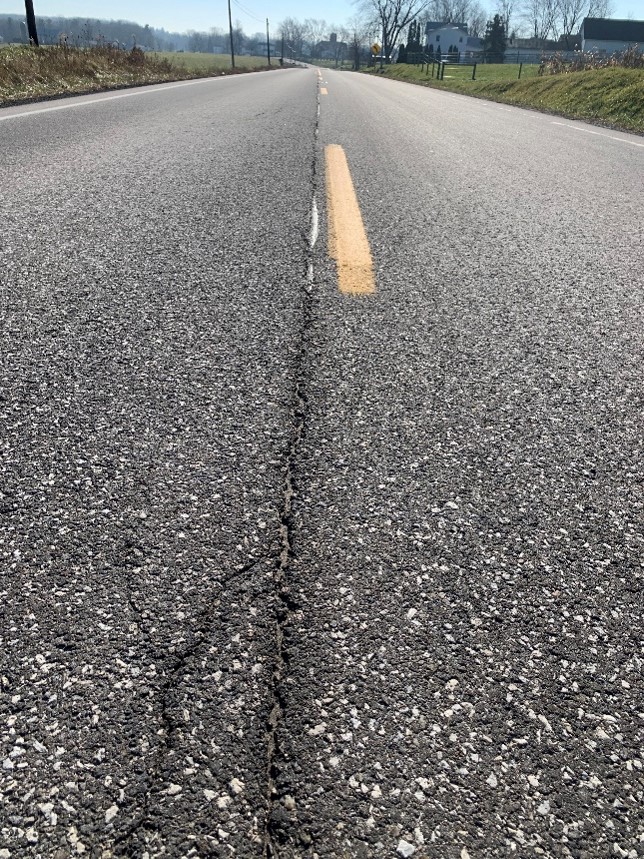
The TEST section begins on State Road 168 in Geauga County at mile marker 2.64 and continues to mile marker 7.90 at the Burton Corp Limit. The CONTROL section begins on State Road 168 in Geauga County at mile marker 1.64, north of Parkman Village and continues to mile marker 2.64. The control section did use VRAM at time of construction.
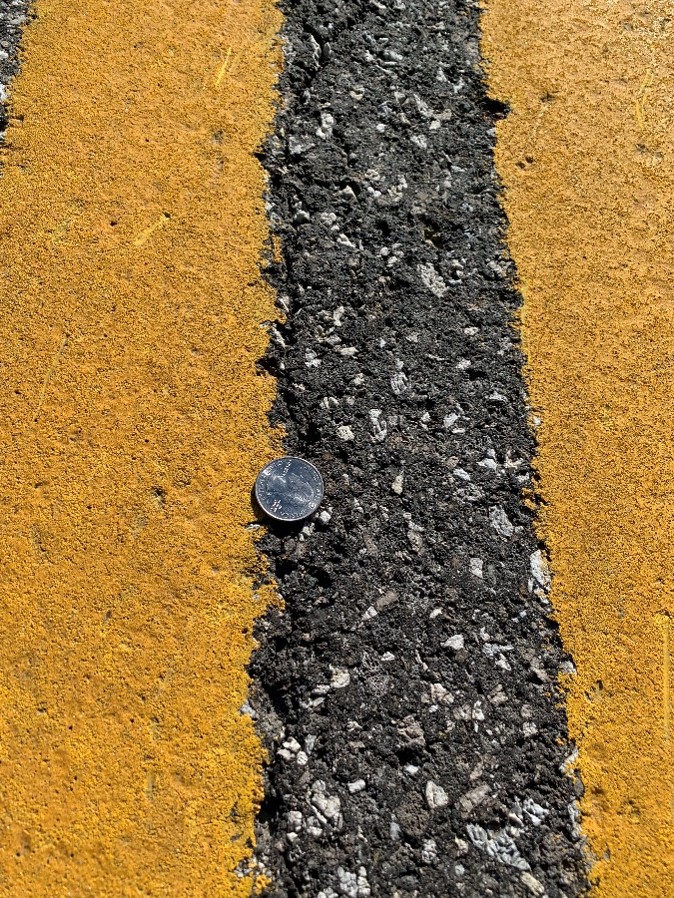

How is VRAM Able to Protect Pavements ?
Through Asphalt Material's long history serving the asphalt industry, we understand that longitudinal joint cracking has long been a problem for not just engineers and applicators, but the communities they live in. Thanks to collaboration between state transportation agencies, industry experts at Asphalt Materials, and the leading-edge laboratories at Heritage Research Group, it’s easier than ever to preserve and extend investments that are being made in roads.
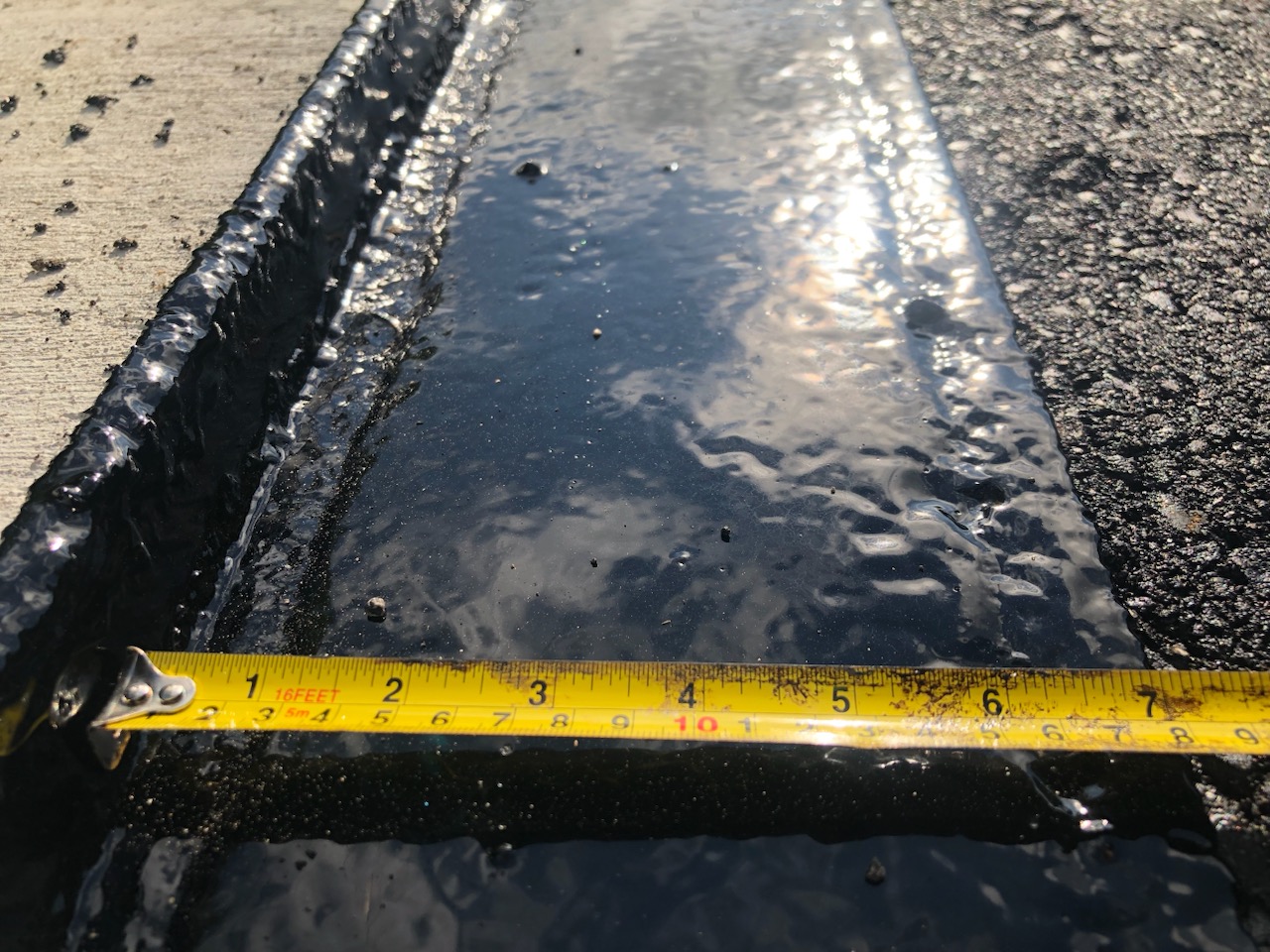
VRAM is a Void Reducing Asphalt Membrane.
Since it’s discovery and application on roads in 2002,
VRAM has demonstrated a track record of extending
the life of roads by protecting longitudinal joints
and improving the performance of the entire pavement.
Road managers know that the longitudinal joint is the first part of the pavement to fail. As a road’s most permeable part, this joint is susceptible to the elements. Air and water work down through this gap causing the joint to deteriorate, crack and pothole. And when the longitudinal joint fails, the rest of the road soon follows—triggering the need for even more maintenance.
VRAM as a Materials Solution
The best way to eliminate voids in pavements is to fill them with asphalt content at the time of construction. If you are able to have VRAM specified in your region, you can use a VRAM to help fill voids at the centerline at the time of construction. J-Band is an industry leading VRAM that has been helping fill longitudinal voids in pavements since 2002. Because J-Band is a highly viscous material, it is able to help preserve pavements and longitudinal joints from premature failure!