
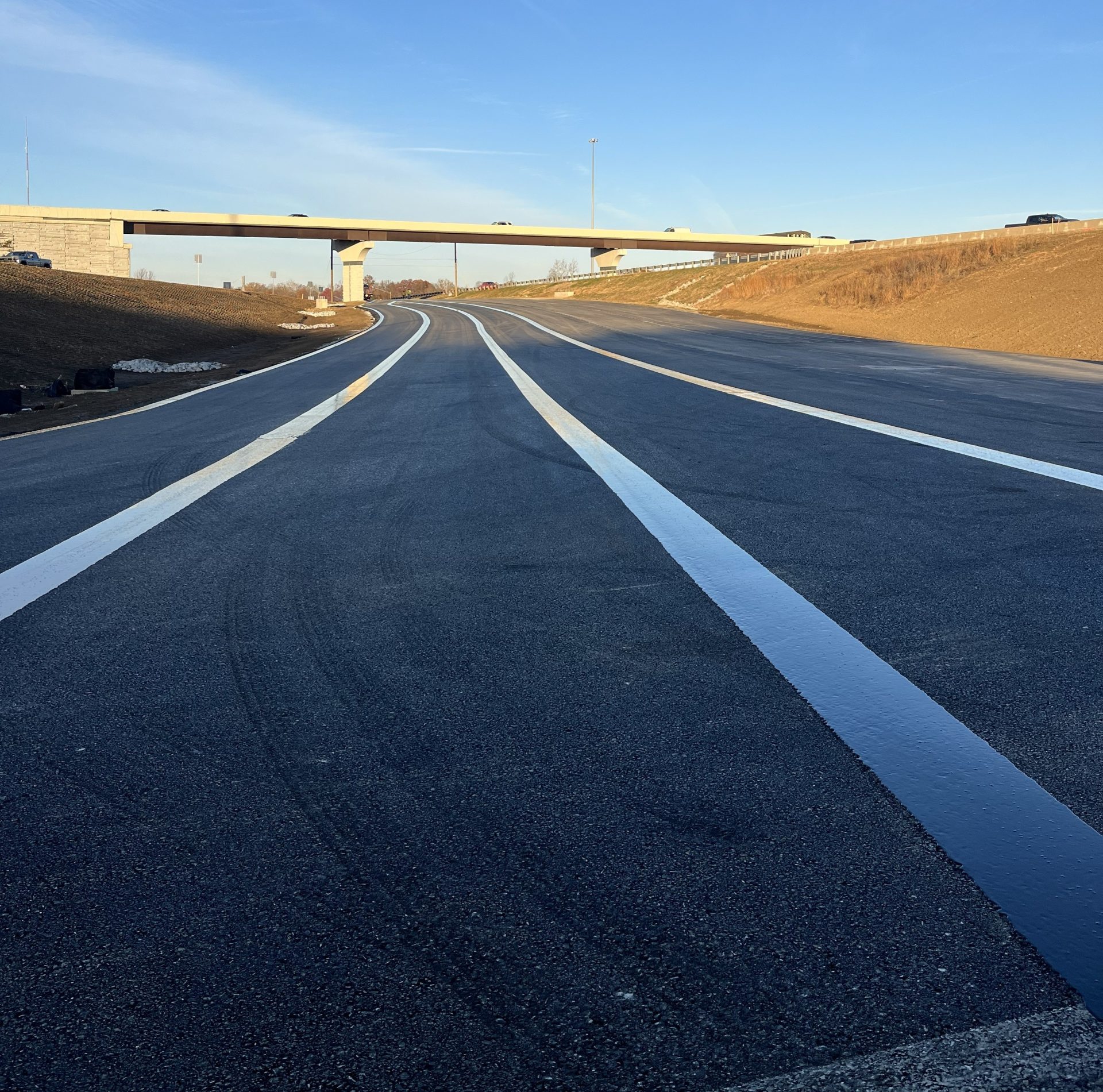
From idea to impact: VRAM is redefining best practices in joint construction.
VRAM is protecting roads across North America
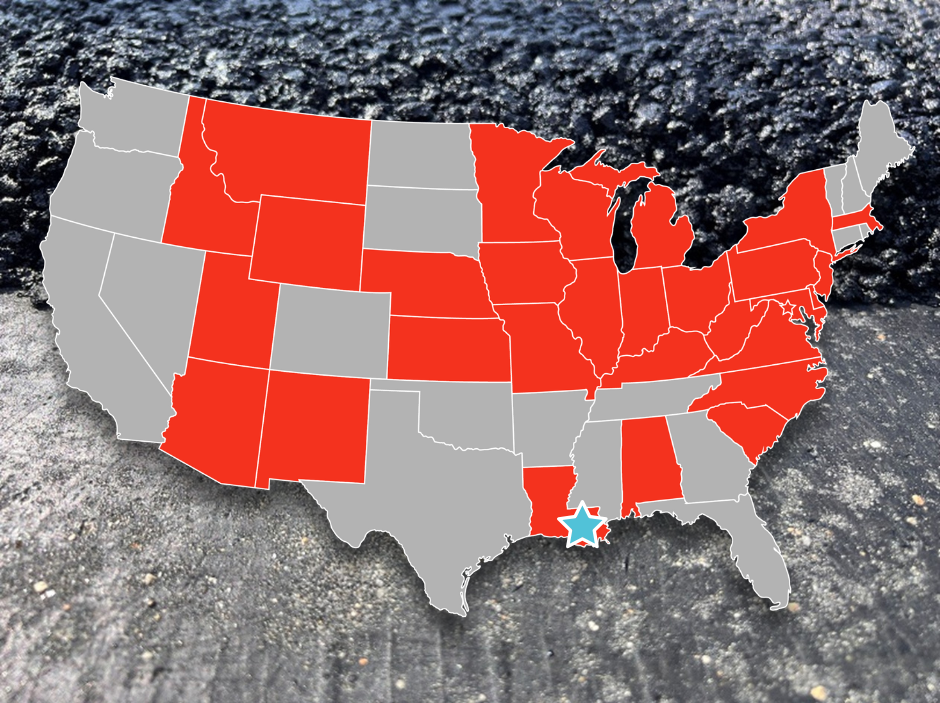
Thousands of lane miles across 29 states now incorporate Void Reducing Asphalt Membrane (VRAM), demonstrating its widespread use in asphalt pavement construction. Across the country, agencies have adopted VRAM to address the Achilles’ heel of asphalt pavement: the longitudinal joint. This innovation story is well over twenty years in the making. Today, we can point to countless high-profile projects, supported by research demonstrating how the VRAM, J-Band®, reduces water infiltration and improves pavement performance, resulting in measurable economic benefits.
Steady growth underpinned by solid teams and processes
Behind each J-Band project is a reliable network of individuals who make the production and application of VRAM possible. From the engineers and scientists who originally developed the solution to the plant workers who produce the highly polymer-modified asphalt, transportation drivers, skilled contract applicators and field members who support them, the adoption of this material technology is a win for all.


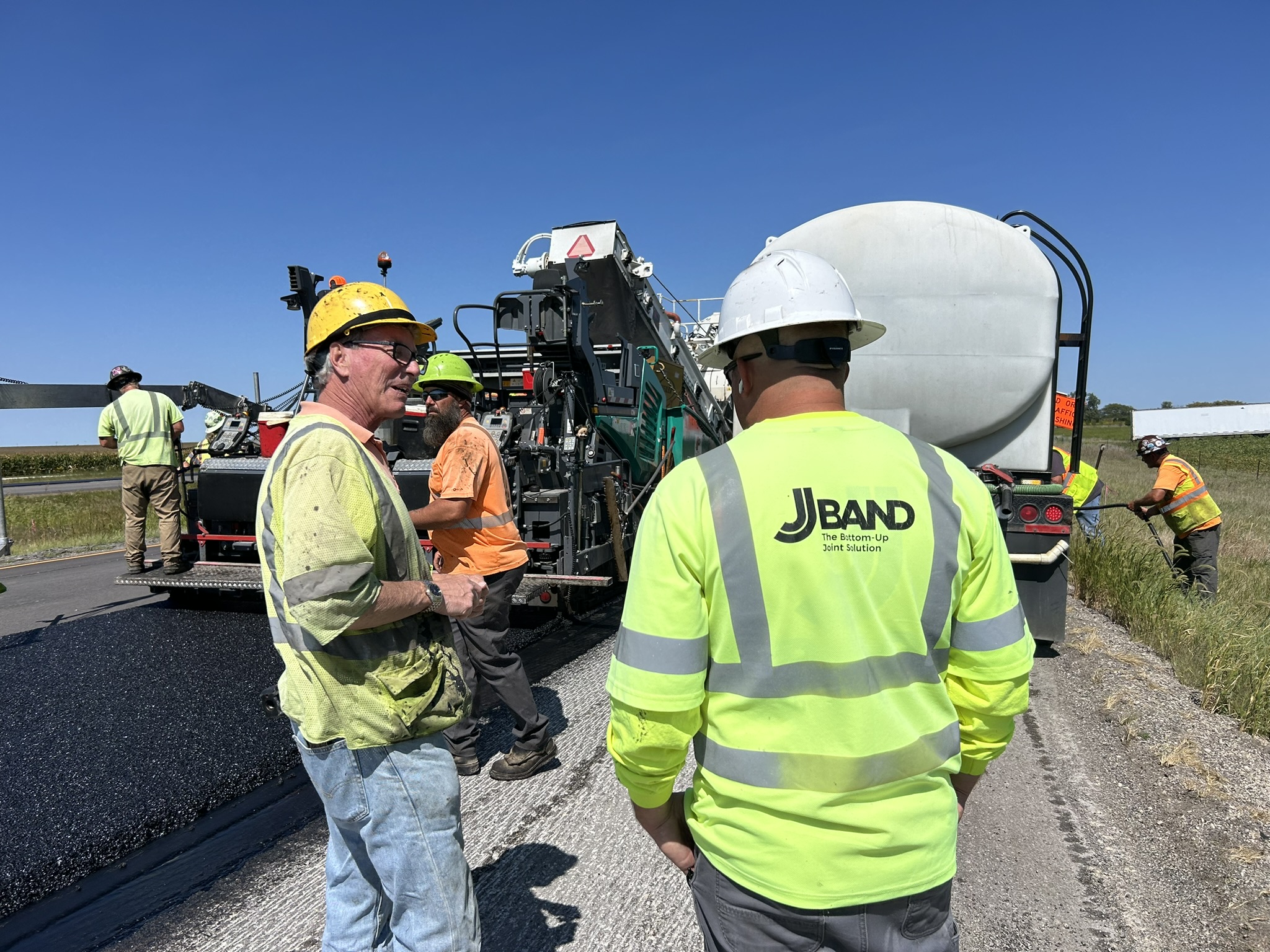
Some of the memorable project highlights of 2025 include:
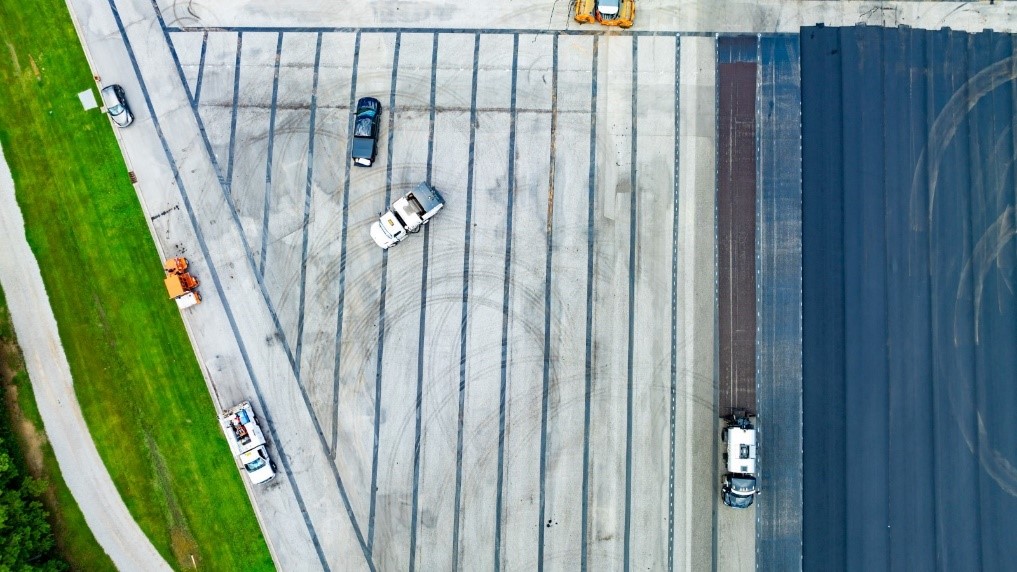
- Birmingham, Alabama, the Barber Motorsports Park showcased how VRAM can preserve high‑value paved facilities for their race track’s Proving Ground, where performance and reliability matter.
- In Illinois, Springfield’s SR‑29 and the I‑72 corridor offered compelling proof points—projects reviews that show VRAM/ (LJS, Longitudinal Join Sealant as specified in Illinois) are standing strong after years of service.
- The Indiana DOT officially adopted VRAM for all major QC/QA HMA or SMA surface courses. This presents an exciting opportunity for Hoosiers to save time and money in their roadway maintenance.
- Ohio Turnpike’s adoption of VRAM connected durability goals with a large‑scale, high‑performance network, while —Toledo and Westerville—continued to systematize VRAM in their annual programs.
- Utah featured VRAM in the UDOT’s Innovation Catalog, estimating $134,310 in cost savings per mile.
- Arizona joined the ranks of VRAM users with the City of Mesa’s ‘Best in Arizona’ award-winning project on Southern Ave.
- Louisiana became the 29th state to use VRAM, protecting a major investment on Wax Road with VRAM’s joint preservation technology.
- International expansion! In 2025, VRAM made its way across the northern border to Canada. Stay tuned — we are excited to share more soon.
- VRAM also saw increased use for strengthening asphalt-concrete interfaces at curbs and lanes, and protecting trench mill and fill projects that would otherwise fail early.
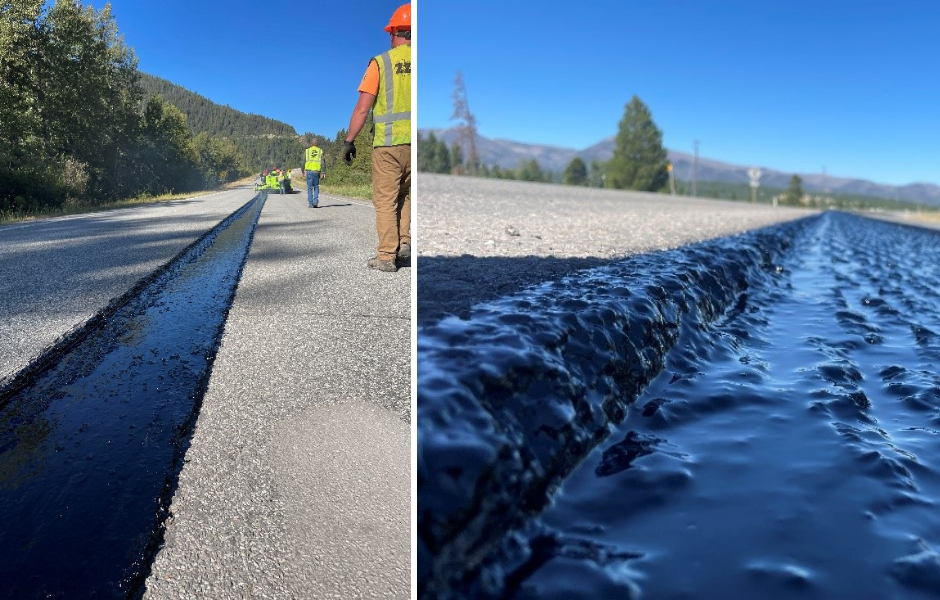
How We Got Here — A Glimpse into the Past
Void Reducing Asphalt Membrane was developed in the early 2000s to combat joint failure caused by air and water infiltration. Asphalt Materials Inc. launched J-Band, the premier VRAM product in response to the success of the first test sites. Project specifications were established, and by the early 2020s, years of collaboration with agencies and contractors and proven performance confirmed its effectiveness. Nationally published studies from Illinois DOT, Minnesota DOT, CAIT at Rutgers University and more solidified VRAM as a durable solution for pavement longevity.
The Impact is Astounding
J-Band is known for saving time, money and lives — and the numbers back up these claims:
- Pavement life extension: +3–5 years for the surface course beyond typical expectations.
- Economic returns: A minimum of $2 saved for every $1 invested. IDOT has reported benefits 3-5x the cost of the material.
- Safety: Less need for maintenance creates safer roads for drivers and road workers. Plus, more durable rumble strips keep drivers safer.
Looking Ahead to 2026
Here’s what to expect in the near future.
- Standard Specifications & Guidance
Expect broader Department of Transportation (DOT) integration of VRAM into state specifications as well as local agencies using the specification guideline to add it to projects regularly, checklists, and training. The groundwork—catalog listings, case studies, and research summaries—now exists for agencies to support incorporating VRAM as the default approach for joint construction.
- Network‑Level ROI & Planning
As agencies increasingly adopt a pavement preservation philosophy, the “pre-preservation” solution of VRAM, applied at time of construction, is a tool that can expand the options in their road planning toolbox. The J‑Band ROI calculator and project maps can be referenced to help engineers and leaders plan and set budget cycles, and maintenance schedules.
- New Use Cases
Beyond centerline joints, VRAM’s role is expanding as new ways to strengthen infrastructure emerge. One practical way is to strengthen vulnerable edges— applying it to asphalt‑concrete interfaces (curbs and gutters) can have positive lifecycle implications for urban networks.
In 2025, J‑Band’s milestones propelled national awareness. VRAM is poised to become the standard for agencies that value time, money, and lives saved on their road networks. The future is straightforward: build a durable joint at the time of construction, sealing voids from the bottom up, and that pavement will be set up for resilience and decades of performance.
